News For This Month:

Essential Guide to HVAC Services and How to Light a Pilot Safely in Arlington, VA

A malfunctioning heating or cooling unit can quickly disrupt the comfort of your household. Understanding fundamental HVAC care, cooling system servicing, and safe pilot ignition methods is especially crucial in Arlington due to its intense temperature fluctuations. Grasping these key concepts ensures ongoing coziness while avoiding expensive system failures.

Why HVAC System Care Matters

Indoor climate regulation heavily depends on a properly functioning HVAC setup. Installation, upkeep, and restoration services for HVAC units in Arlington help sustain efficiency no matter the time of year. Consistent maintenance appointments lead to timely issue detection, longer appliance life, and better energy conservation. This website has all you need to learn more about this company.

Specialized HVAC maintenance contributes to healthier breathing environments by lowering particulate matter and allergy triggers. Arranging periodic adjustments for both cooling and heating units helps prevent sudden malfunctions when temperatures reach their peaks or lows.

When to Call for HVAC Repair in Arlington, VA

Routine care doesn’t always eliminate the need for skilled technicians to address system flaws. Identifying symptoms promptly allows for swift resolution before complications arise. Common signs include:

Uneven heating or cooling throughout your home

Strange noises, such as rattling or buzzing

Repeated short-cycling between operation and standby

Higher power expenses without additional demand

Diminished air circulation or declining efficiency

If you notice any of these issues, scheduling HVAC repair in Arlington, VA, ensures your comfort system gets back on track before the problem worsens.

Keeping Cool with Professional Air Conditioning Care

While AC units provide relief from Arlington’s scorching summers, they need consistent care to operate at peak levels. Routine cooling system care encompasses condenser cleaning, coolant verification, electrical inspections, and air filter swaps.

Regular upkeep stops excessive heat buildup, lowers power usage, and prevents mid-summer operational failures. Regular air conditioning service also improves indoor air circulation, making your living space more comfortable.

Proper Techniques for Igniting a Pilot Light

Many older heating systems and gas appliances rely on a pilot light to ignite the burners. Extinguishment of this flame results in complete heating failure. Learning how to light a pilot properly keeps your home warm without waiting for professional help. Click here for more helpful tips on this website.

This cautious method ensures success:

Locate the Pilot Light Assembly – Usually near the bottom of your furnace or appliance.

Turn the Gas Control Knob to “Off” – Wait at least five minutes to allow any lingering gas to dissipate.

Switch to the “Pilot” Setting – Press and hold the button or knob.

Use a Long Match or Lighter – Carefully ignite the pilot flame while holding down the button.

Keep the control engaged for thirty seconds – Slowly disengage while confirming consistent burning.

Turn the Knob to “On” – Your system should now operate normally.

If the flame won’t stay lit or you smell gas, stop immediately and call for professional HVAC services to avoid safety hazards. Here’s this link to discover more about this now

Ensuring Dependable HVAC Performance in Arlington

Consistent HVAC upkeep combined with basic troubleshooting knowledge preserves resources and prevents distress. By staying proactive with air conditioning service and timely HVAC repair in Arlington, VA, you ensure your home stays comfortable no matter the season. Click to see more here on helpful tips on these companies.
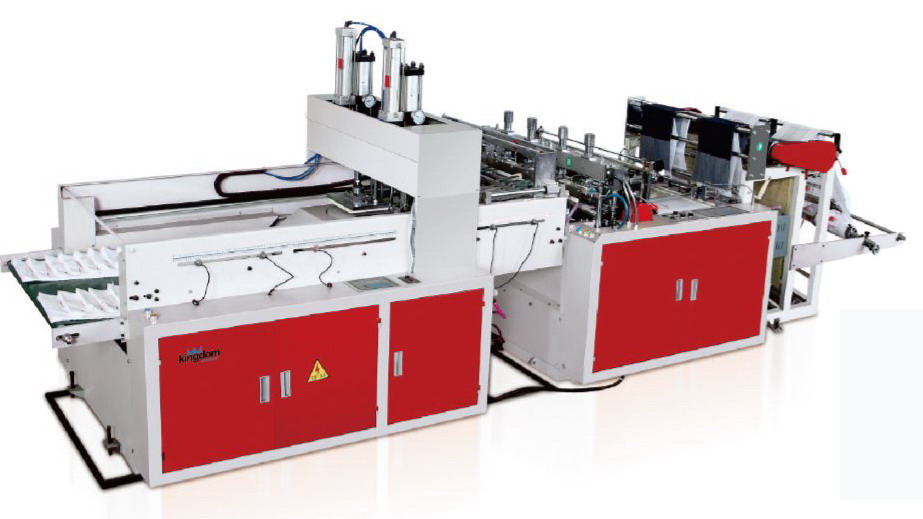
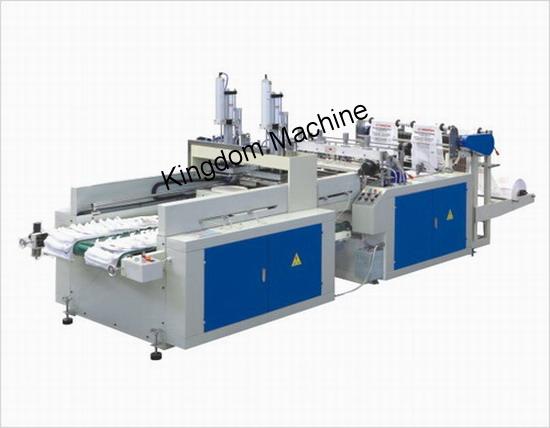
Plastic bag making machine troubleshooting

Plastic bag making machine problem solution in Dubai,Ajman,Umm al-Quwain,Abu Dhabi,Sharjah,Fujairah,United Arab Emirates 

Plastic Bag Machine is the final step in the manufacturing and processing of plastic bag. If the performance of bag making process isn’t high enough or the quantity of waste is excessive, the previous processes , such as blowing film machine or composite printing machine could end up being used up and downstream customers are likely to have an enormous effects on the manufacturing and operations.

1. What can I do if my bag’s contents leak or become damaged because of the insufficient sealant of the plastic bag machine?
Cause: Low anti-pollution heat-sealability for the film, mostly due to the resin that is used in the sealing layer isn’t suitable for.
Countermeasures: Select a film that has excellent anti-pollution heat-sealability. The general rule is that ldpe has moderate anti-pollution heating capacity. EVA is a good anti-pollution heat sealability in the event that the VA contents are large. Ionic resin and metallocene-based polymer It is extremely effective in preventing pollution heat-sealability.

2.What can I do when the seal of the plastic bag machine isn’t as strong?

Video of plastic bag machine

Reasons:

1. The temperature of heat sealing is excessively high.
2. The pressure is too high.
3. The time to seal heat is too long.
4. Edge of upper section of the sealer sharp or the PTFE coating is damaged.
5. The seal on the bottom is Silicone rubber that is too for the job;
6, in the process of compounding and curing during the curing and compounding process, a portion of the adhesive gets absorbed into the film. When the substrate is impacted by the adhesive. As a result, the hardness (that is, resistance to impact) has diminished and the brittleness grown;
7 Plastic composite baggies for packing Following cooling and putting in place the bags, the durability of the heat seal improves and the bag also begins to harden.

Countermeasures:

1. Based on the heat sealing properties of the outer sealing layer material, choose the right temperatures, pressure, and time to seal the heat;

2. Improve the surface quality of the top heat sealing knife so that it makes the sealer’s surface smooth;

3. Wrap the cloth with polyethylene. The wrapping is still intact.

4. Select a pad made of silicone that is of the right degree of hardness.

What can I do if my bag starts to shrink after being sealant by the bag maker?
The reason:
1. The film’s thickness is variable;
2. The temperature for heat sealing is too high, or the time to seal can be too lengthy.
3. In the heat sealing knife’s longitudinal section The running path of composite films isn’t straight.
4. Insufficient cooling.
5. The time for curing isn’t enough.
6. The film on the surface is not very resistant to heat.
7. Inadequate control of the tension-matching to the substrate of the composite during the process of compounding causes residual stress following curing and setting, particularly in cases where the composite film is smaller this type of failure is more likely to occur.
Countermeasure
1. The tension can be adjusted on the roller floating.
2. Utilize an inner sealing base material that has low temperature heat sealability.
3. Adjust the temperature of the heat seal to the appropriate temperature.
4. It is important to cool down.
5. Create a film that is mature.
6. Re-select the film on the surface.
7. Adjust the tension on each component of the composite processing equipment, and then try to ensure that both substrates shrink the same.

What can I do if I notice that the outer shape of the heat-sealed exterior of the bag-making machine isn’t clear after sealing? (The knife’s pattern isn’t evident)
The reason is:
1. The cooling process is short.
2. The cooling plate is not in good contact with the plate
3. When the pad of silicone is heated, the edges melt.
4. Forces of heat sealing in the longitudinal direction that are not balanced
5. Its edge on the heat sealing knife is sloping and blunt.
Countermeasure
1. Set the cooling time.
2. Adjust the cooling plate to your liking.
3. Adjust or replace the knife that seals heat
4. Avoid melting at the edge due to overheating of the silicon pad.

What can I do if the sealing capacity of the bag maker is weak after sealing?
the reasonfor this:
1. The adhesive contained in the composite film hasn’t been properly cured.
2. The conditions for heat sealing are not appropriate.
3. Between the knife that seals the temperature and the cooling knife is too long.
4. There is an issue with the inner layer of sealing.
5. The ink’s heat-sealability is weak, resulting in a reduction in the strength of composites of the film in the sealed part.
6. Dust and spray powders as well as other substances stick on the cover.
7. The strength of the composite is not high or the strength of the heat sealed place decreases too much.

Countermeasures:
1. Help to promote the hardening process of adhesive (curing or curing) by preserving heat and aging. This will improve the strength and resistance to heat of the film.
2. Find the ideal conditions for heat-sealing (temperature as well as time and pressure) in accordance with the structure of the material, its heat-sealing state and so on. Or, you can enhance the method of heat-sealing, and then cool down right away after the heat-sealing process.
3. Examine the shelf time and storage conditions of the film that is heat-sealable. If the film is made of the film from the previous batch and also the film has been sealed with heat requires special attention, it is recommended to do so.
4. The thickness of the film that can be heat-sealable.
5. Modify the type and the grade of the film that can be heat-sealable and choose a film that has anti-pollution heat-sealability.
6. Verify that the quality of the adhesive meets standards (the release of low-molecular substances in the resin can alter how the glue is made)
7. Improve the heat sealing efficiency in the layers of heat. regulate the contents of the slip agents and utilize the mlldpe film.
8. Monitor the monomer concentration in MDI within the composite adhesive.

What can I do if the formation of air bubbles, or uneven surface are found in the heat-sealed area of the bag-making machine?
The reason:
1. When heat-sealing is applied to an object made up of hygroscopic material like nylon film the hygroscopic film can create air bubbles after it is absorbed by moisture.
2. The heat-sealing blade or pad of silicone is not even.
3. Insufficient pressure for heat sealing.
4. One-component adhesives, like neoprene adhesives when sealing bags with heat are used, the heat cover can be prone to pits.
Countermeasures:
1. Make sure to store the semi-finished and raw materials in a proper manner to prevent the absorption of moisture.
2. Make sure to adjust or test or adjust the knife for heat sealing as needed and the heat sealing pad.
3. Remove the tape.

If you need any information of blown fim extrusion,plastic bag machine,printing machine,please feel free to contact us. Kingdom Machine Factory  Mobile:0086-13088651008;0086-13958812663;
Whatsapp/Viber/Tango:0086-13088651008;0086-13958812663;
sale@kingdommachine.com;kingdombillwang@hotmail.com; www.blownfilmextrusion.com; www.kingdommachine.com;
Ruian Economic Zone,Wenzhou,China

Plastic bag machine

Automatic Plastic Shopping Bag Machine

Automatic Plastic Shopping Bag Machine

Plastic Bag Machine is applied to manufacturing and printing the uncolored vest bags(shopping bag) made of HDPELDPE roll plastic film. It adopts PLC control, double step motor fixed length and the liquid crystal touch screen actual display to finish the feeding, sealing, cutting, punching holes and transporting only in one process. It is of high degree of automation and good economic result.

This machine with two photocell,two driver,two knife,can make two different bag at same time.

Plastic shopping bag  
Main Technical Variables:    Model DFHQ-350*2 DFHQ-450*2 Max. Bag-making width 300mm*2 400mm*2Max.Bag-making length 600mm 600mm Bag-making thickness 0.015-0.035mm 0.015-0.035mm Bag-making speed 140-200pcs/min*2 140-200pcs/min*2 Air pressure 5kg/cm2 5kg/cm2 Total Power 7kw 9kw Weight of machine 1400kg 1600kg Overall dimensions 6000*1400*1600mm 6000*1600*1600mm

Kingdom Machine co,ltd Mobile::0086-13088651008 
Mobile: 0086-13566179950 Tel.:0086-577-65127709 
Fax:0086-577-56848008 kingdombillwang@yahoo.com
sale@kingdommachine.com  
Skype:kingdombillwang 
http://www.blown-film-extruder.com
Ruian Economic Zone,Wenzhou,China 325200

Case Study: My Experience With

Beat the Heat and Save Big: A Complete Guide to Finding the Right AC Supplier

Choosing the appropriate ac supplier determines how efficiently your system performs, how comfortable your environment remains, and how much you save over time. You play the lead role when buying or installing air conditioning. An experienced and trustworthy ac supplier helps you cut energy expenses, avoid frequent servicing problems, and provides the right model for your environment. View the selection of your ac supplier as a long-term investment instead of a rushed buying decision.

Understand the different AC system types and their true costs

Decide whether a split system, ducted system, or packaged unit fits your property and budget. Split systems suit single rooms and smaller apartments. Ducted systems work best for whole-house climate control. Packaged units serve commercial settings and large open areas. Focus on long-term operating costs instead of just upfront pricing since efficiency drives overall value.

Verify supplier qualifications and the range of their services

Choose a supplier that guarantees warranties, employs skilled professionals, and outlines installation terms clearly. Determine if the supplier provides end-to-end service-installation, testing, and maintenance-or simply delivers units. Large-scale installations require suppliers capable of handling assessments, design checks, and regulatory compliance efficiently. Review past client feedback or project samples to evaluate the supplier’s reliability.

Important inquiries to make before your AC installation

Your installer shapes how well the system performs. Ask whether the supplier conducts a full site assessment and uses industry-standard calculations to size the unit. Check the project’s timeline and ask for a written document detailing the full installation plan. Position indoor and outdoor units where air circulates freely and technicians can access them without difficulty. Demand neat, code-compliant refrigerant routing and electrical connections so the system runs efficiently and safely.

Examine component quality, warranty coverage, and spare part access

A strong supplier guarantees parts availability and supports warranty claims. Check how long major parts like compressors are covered and understand the procedure for warranty claims. Determine if the supplier keeps essential spares in local inventory for faster replacement times. Quick access to spare parts minimizes repair delays and eliminates costly last-minute purchases.

Weigh initial costs against long-term energy savings

Energy-efficient systems cost more up front but reduce operating expenses. Check the vendor’s performance data to calculate yearly expenses according to your local weather and daily usage. For long-term ownership, focus on acquiring highly efficient units with quality parts. Otherwise, choose a system that matches realistic usage rather than the fanciest model on the market.

How preventive service keeps your AC efficient

Routine maintenance extends equipment life and preserves efficiency. Ask whether the supplier offers scheduled maintenance plans and what those plans cover. Confirm the supplier’s emergency response speed and ensure technicians perform full diagnostics and clean components during service. Suppliers that actively monitor system health prevent sudden malfunctions and improve reliability.

Local support beats distant promises

Local suppliers offer faster service and better knowledge of regional climate issues and installation rules. Opt for a company with service personnel stationed close to your location for faster support. Local installers anticipate site-specific issues and handle them efficiently compared to distant suppliers.

Trust but verify when reading supplier reviews

Customer reviews reveal common strengths and weaknesses, but verify critical claims directly. Compare client testimonials with visual evidence or references you can reach personally. If energy-saving or performance claims arise, ask for documentation or past case studies.

Smart online search strategies for finding suppliers

If you research suppliers online, you might enter search phrases like o general ac supplier or o general ac distributor to find local stockists or dealers. Combine the term ac supplier with your location or building type for refined search outcomes. Use combined search terms focusing on spare parts, installation quality, and maintenance to find dependable ac partners.

What to watch out for when selecting your AC supplier

Skip suppliers that neglect home assessments or fail to explain warranty coverage clearly. Avoid ac suppliers who offer suspiciously low quotes or demand quick commitments without proper documentation. Consider it a major concern if a supplier lacks credentials, technicians, or a support structure.

Things to confirm before closing your AC deal

Confirm accurate load calculations and recommended system sizing. Confirm your technicians meet certification standards and follow proper installation procedures. Evaluate warranties alongside how easily spare parts can be sourced.
Review maintenance plans and emergency response times. Get a written, itemized quote and a clear timeline.

Selecting a reliable ac supplier significantly influences comfort, savings, and overall satisfaction. Rely on the questions and checklist mentioned to carefully analyze your choices, and search intelligently with phrases such as o general ac supplier, o general ac distributor, or ac supplier plus your location to identify reputable service providers.

Getting To The Point –

Light Up Every Corner with Advanced LED Technology

Draw Attention with Next-Level Visual Systems
Use LED screens to reshape spaces with live updates and tailored promotions. You can revolutionize office communication, retail digital signage, and event branding through immersive environments powered by Interactive LED displays and data-driven content. This page has all the info you need.

Enhance Customer Engagement with Interactive Experiences
Interactive LED displays elevate customer engagement by combining touchscreen integration, motion sensors, and voice recognition. You can invite visitors to explore 3D LED screens or curved LED displays that respond to gestures and voice commands. Adaptive screen setups enhance client interactions and refine message delivery for a standout experience. View here for more info on this product.

Maximize Energy Savings through Sustainable Technology
Low-power LED systems paired with solar integration lower expenses and uphold eco-conscious policies. Install indoor LED screens designed for minimal energy draw to secure substantial savings. Eco-friendly selections showcase CSR values and support economical promotional efforts over the long haul. You can read more now about this product here.

Custom LED Installations for Any Setting
From event rentals to fixed lobby displays, bespoke LED packages provide flawless setup. Engage LED wall professionals to design immersive brand zones, projection stages, and holographic showcases. Cloud-based LED control and remote oversight simplify content changes and diagnostics on the fly. Here’s the link to learn more about the awesome product now!

Streamlined Collaboration in the Workplace
Business-grade LED networks boost teamwork with timely content in strategic locations. Program instant alerts to curved room panels, deploy AI-selected visuals on smart walls, and tie IoT devices into feedback channels. Such capabilities increase efficiency and nurture creative mindsets. Click here for more helpful tips on these companies.

Boost Retail Traffic Through LED Signage
Store owners use intelligent LEDs to run targeted ads and interactive demonstrations. Combine touchscreens, movement sensors, and speech interfaces to lead shoppers through campaigns effortlessly. Analytics-powered feeds update stock and price instantly, enhancing campaign ROI and relevance. Click here for more helpful tips on this company.

Create Unforgettable Trade Show Experiences with LED Tech
Expos call for standout visuals, achievable with three-dimensional LED walls and holograms. Engaging LED stations invite participation, and solar-driven panels support sustainable outdoor showcases. These vibrant setups project an image of cutting-edge professionalism. Click here to learn more now!

Redefine Public Areas with LED Displays
Indoor LED display panels transform corporate lobbies into high-impact welcome centers. Combine curved panels and real-time feeds for a lobby that informs and inspires. Temporary LED systems adapt to special events, while permanent displays maintain ongoing communication goals. Here’s the link to read more about this now!

Simplify LED Content Control with Cloud-Based Tools
Cloud dashboards and remote controls make LED upkeep effortless. Adopt SaaS LED solutions for planned content pushes, status monitoring, and data reviews. Analytics-led programming and AI-powered playlists enhance ROI and cut manual workloads. This website has all you need to learn more about this company.

Step into Tomorrow with Cutting-Edge LED Tech
Dynamic holography and smart panels pioneer fully engaging atmospheres. Link sensors, AR layers, and 3D walls to deliver experiences that captivate sight, sound, and touch. Such breakthroughs transform the landscape of visual messaging. Click here for more helpful tips on this company.

Conclusion
Energy-saving LED installations deliver adaptable visual communication enhancements for corporate offices, retail spaces, lobby environments, and event locations.

Adopting interactive LED panels, analytics-driven visuals, and eco-friendly tech boosts customer interaction, optimizes team communication, and reinforces brand identity-plus yields significant energy and cost savings. Here’s the link to discover more about this now!

A 10-Point Plan for (Without Being Overwhelmed)

Audio Clarity Unleashed: Your Guide to Choosing the Perfect Sound Equipment for Any Environment

The right sound gear has the power to redefine the feel of any place, from intimate lounges and active workplaces to sprawling halls and open-air setups. The sheer variety of microphones, speakers, soundboards, and amplifiers can make the selection process seem daunting. However, understanding your space, intended use, and essential features makes the process much smoother. This page has all the info.

Get to Know the Room

Start by evaluating how large the area is, what it’s shaped like, and what activities happen there. The needs of a compact space differ significantly from those of an expansive hall or exterior venue. View here for more info. High-output speakers in confined spaces can result in muddled sound and discomfort. Conversely, underpowered gear in large spaces results in weak, uneven sound coverage. Sound spreads differently depending on ceiling height, floor composition, and wall materials. This website has all you need to learn more about this company.

Identify the Use Case

Defining the room’s function will significantly streamline your gear selection. Will you be building a home cinema, organizing live shows, managing business conferences, or equipping a long-term sound solution in a religious venue? Different functions require distinct features in your audio setup. Podcast setups benefit from precise microphones and noise-reducing elements. You can read more here!

Choose Between Wired and Wireless Systems

Today’s sound systems come in both cable-connected and wireless versions. Your choice should reflect the specific demands of your space. For stable sound and minimal signal issues, wired options are perfect for fixed setups. Wireless setups offer flexibility, easier installation, and mobility-perfect for events or temporary arrangements. Just click for more helpful tips on this website.

Tune Equipment Strength to Fit Room Scale
Larger spaces require more powerful equipment to deliver adequate volume without distortion. Check power and volume ratings carefully when evaluating gear. Using too little power limits clarity; too much can overwhelm listeners and shorten gear lifespan. Amplifiers should match or exceed the power rating of your speakers to maintain clear and balanced audio. Just click here and check it out!

Prioritize Compatibility and Connectivity

Nothing is more frustrating than investing in audio gear only to realize it doesn’t connect with your current devices. Double-check that your chosen equipment supports all relevant input devices like projectors or laptops. Choose tools with versatile ports so your devices can connect via multiple channels. Understanding sound equipment involves checking how all tech components communicate and interact. Click here for more helpful tips on these companies.

Test Before You Commit

Whenever you can, test the audio gear in a live demonstration setting. Audio preferences can be subjective, and what sounds great in one space may fall short in another. Testing allows you to evaluate clarity, bass levels, and how the sound fills the room. Listening in person helps avoid costly mistakes and ensures the system meets your expectations. View here for more info on this product.

Consider How User-Friendly the Equipment Is

Select sound gear that matches your ease with operating such equipment. Complicated setups may hinder your ability to get the most out of the system. Favor equipment with simple layouts, smart features, and straightforward guidance. For shared or public spaces, simplicity becomes even more critical-anyone should be able to operate the system confidently. This website has all you need to learn more about this topic.

Don’t Ignore Looks and Setup Practicality

Visual impact matters nearly as much as sound when selecting your equipment. Sleek and discreet equipment blends seamlessly into homes and offices, while rugged, visible gear suits concert setups or outdoor events. Consider how the speakers and other components will be installed or mounted. To maintain space and style, wall or ceiling integration might be the best option. Just click here and check it out!

Final Thoughts

Great sound enhances experiences, sets moods, and improves communication. Whether you’re outfitting a personal retreat or a professional venue, selecting the right audio equipment requires a thoughtful balance of purpose, power, compatibility, and style. Identifying both your requirements and the features of your environment enables you to pick the best-fitting sound solution and enjoy top-tier audio performance. See, this website has all the info you need to learn about this amazing product.

Partner post: try these out

Getting Creative With Advice

LED Modern Technology Is Changing Event Production
In the rapidly advancing world of occasion manufacturing, modern technology remains to play an essential duty. Read more about in this website. Among the groundbreaking innovations, LED modern technology stands out as a game-changer, providing ingenious solutions that enhance visual appeal and target market interaction. Learn more about in this homepage. From shows to corporate events, the assimilation of LED technology is redefining just how we experience real-time events, making them much more immersive and memorable than in the past. View here for more info.

One of one of the most considerable benefits of LED technology in occasion manufacturing is its versatility. Check here about this page. LED screens can be used in various formats, sizes, and setups, enabling seamless assimilation into varied environments. Discover more about in this link. Whether it’s a large outdoor event or an intimate interior celebration, event producers can quickly customize their screens to fit their particular requirements. Check it out! in this site. This adaptability not only enhances aesthetic impact yet also permits innovative storytelling via vibrant backgrounds, vibrant shades, and high-resolution imagery that captivate audiences. Read here for more info.

Along with visual high quality, LED modern technology is also lauded for its power performance. Click here for more updates. Traditional lights and projection systems commonly consume a substantial amount of power, causing boosted expenses and a larger carbon impact. View here for more details. On the other hand, LED lights consume dramatically much less power while providing remarkable illumination and clearness. Click for more info. This environment-friendly facet is coming to be increasingly important in today’s ecologically conscious society, making LED remedies an appealing alternative for occasion coordinators aiming to generate lasting occasions without jeopardizing on top quality. Read more about in this website.

Moreover, LED modern technology improves target market interactivity. Learn more about in this homepage. With the advent of LED wall surfaces and flooring display screens, occasion organizers can create engaging experiences where guests are not simply passive viewers however energetic individuals. View more about in this page. From social networks wall surfaces that show online feeds to interactive video gaming setups, the opportunities are countless. Check now for more info. This sort of communication not just maintains the target market entertained however additionally cultivates a feeling of link and community, which is important in today’s hectic, electronic globe.

As we aim to the future, it is clear that LED innovation will certainly remain to transform occasion production. Read here! for more info. As developments like adaptable LED screens and boosted truth applications come to be extra conventional, occasion experiences will only come to be richer and much more engaging. Click here for more updates. For occasion manufacturers, staying ahead of these technical fads will certainly be crucial in delivering unforgettable experiences that reverberate with audiences and leave a lasting impact. View here for more details.

In conclusion, LED modern technology is shaping the future of event production by using unmatched flexibility, energy performance, and possibilities for audience interaction. Click for more info. As events become increasingly digital and interactive, using the power of LED will enable manufacturers to create aesthetically stunning and memorable experiences that connect with guests in purposeful methods. Read more about in this website. Accepting this modern technology not only improves the aesthetic of occasions yet also lines up with an expanding dedication to lasting techniques, positioning event organizers at the forefront of development in the industry.

The Golden Rule of Modern Networking: A Shift from Collecting to Connecting

For many professionals, the term “business networking” conjures images of stuffy conference rooms, awkward conversations, and a frantic exchange of business cards. It often feels like a transactional and self-serving activity, a necessary evil where the primary goal is to figure out what other people can do for you. As of 2025, however, this outdated “collector” mindset is the single biggest obstacle to building a truly powerful and effective professional network. The golden rule of modern networking is a complete inversion of this old paradigm: it’s not about what you can get, but about what you can give. The most successful networkers are not collectors of contacts; they are connectors of people and ideas.

The Old Paradigm: The Transactional Collector

The traditional approach to networking was built on a foundation of immediate self-interest. A person would attend an event with the specific goal of finding a new client, a new job, or a solution to their own problem. The conversation was often a means to an end, a quick exchange designed to qualify the other person’s usefulness. Success was measured by the number of business cards collected, a stack of potential “asks” to be filed away for a later date. This transactional approach is fundamentally flawed because it is built on a weak and self-serving foundation. It creates a network of shallow acquaintances who feel used rather than valued, and it is a model that is increasingly ineffective in a world that prioritizes authenticity and genuine connection.

The New Paradigm: The Relationship-Oriented Connector

The modern, effective approach to networking is built on a long-term, relationship-oriented philosophy. It operates on the principle of “giving first.” Instead of approaching a conversation with the question, “What can this person do for me?”, the modern networker asks, “How can I be of value to this person?” This is a profound and powerful shift in mindset. It transforms networking from a hunt for opportunities into a genuine effort to build relationships.

This approach involves several key practices. The first is active listening. Instead of waiting for your turn to talk, you show a genuine curiosity about the other person’s work, their challenges, and their goals. The second is to constantly be thinking about how you can help them. This help doesn’t need to be a grand gesture. It is often a small, simple act of generosity. It could be sending them an article you think they would find interesting, sharing a piece of knowledge that could solve a small problem for them, or, most powerfully, connecting them with someone else in your network who could be a valuable contact.

By consistently acting as a connector and a source of value for others, you build a reputation as a helpful, knowledgeable, and trustworthy individual. You are not just collecting contacts for your own benefit; you are weaving a strong, interconnected community around you.

The Long-Term Return

The beauty of this “give first” approach is that the returns come back to you naturally and often in unexpected ways. When you have built a network of strong, authentic relationships, you don’t need to make awkward “asks.” People are naturally inclined to help you because you have so generously helped them and others. Opportunities—job offers, client referrals, valuable insights—will start to come to you, not because you hunted for them, but because you have become a valued and respected node in a powerful human network. The goal is not to build a list of people you can call when you need something, but to build a community of people who are happy to take your call.

This fundamental principle of reciprocity and “giving first” is a central theme in many modern business and psychology books that study the dynamics of success and influence in professional life.

Der Elevator Pitch: Sich selbst in 60 Sekunden vorstellen

In der schnelllebigen Welt des professionellen Netzwerkens sind Gelegenheiten oft flüchtig. Manchmal hat man nur wenige Augenblicke – in einer Kaffeepause auf einer Konferenz, während einer kurzen Begegnung in einem Flur oder eben sprichwörtlich in einer Aufzugfahrt – um einen bleibenden ersten Eindruck zu hinterlassen. Der Elevator Pitch ist ein unverzichtbares Werkzeug für genau diese Situationen. Es ist eine prägnante, überzeugende und gut eingeübte Zusammenfassung dessen, wer Sie sind, was Sie tun und welchen Wert Sie bieten. Ein guter Elevator Pitch ist keine Verkaufsrede, sondern eine Einladung zu einem tiefergehenden Gespräch.

Die Kernkomponenten eines überzeugenden Pitches

Ein effektiver Elevator Pitch ist kurz, aber er muss eine Reihe von Schlüsselfragen beantworten, um beim Zuhörer Interesse zu wecken. Er sollte die folgenden Elemente enthalten:

  • Wer sind Sie? Beginnen Sie mit Ihrem Namen und Ihrer aktuellen Rolle oder Ihrem Fachgebiet.
  • Was tun Sie? Beschreiben Sie nicht nur Ihre Tätigkeit, sondern das Problem, das Sie lösen, oder den Wert, den Sie schaffen. Anstatt zu sagen: “Ich bin ein Softwareentwickler”, könnten Sie sagen: “Ich helfe kleinen Unternehmen, ihre internen Prozesse durch maßgeschneiderte Softwarelösungen zu automatisieren.”
  • Für wen tun Sie es? Nennen Sie Ihre Zielgruppe oder die Art von Kunden, mit denen Sie arbeiten. Dies hilft dem Zuhörer, Ihre Arbeit einzuordnen.
  • Was macht Sie einzigartig? Dies ist Ihr Alleinstellungsmerkmal. Was unterscheidet Sie von anderen in Ihrem Feld? Vielleicht ist es Ihre langjährige Erfahrung, Ihr einzigartiger Ansatz oder ein besonderer Erfolg, den Sie erzielt haben.

Die Präsentation: Mehr als nur Worte

Was Sie sagen, ist nur die halbe Miete. Wie Sie es sagen, ist oft entscheidend dafür, ob Ihre Botschaft ankommt.

  • Fassen Sie sich kurz: Ein Elevator Pitch sollte idealerweise nicht länger als 30 bis 60 Sekunden dauern. Es ist eine Zusammenfassung, kein Vortrag.
  • Seien Sie authentisch: Üben Sie Ihren Pitch, aber lernen Sie ihn nicht roboterhaft auswendig. Er sollte natürlich und enthusiastisch klingen. Vermeiden Sie Fachjargon, es sei denn, Sie sprechen mit jemandem aus derselben Branche.
  • Konzentrieren Sie sich auf den Zuhörer: Versuchen Sie, eine Verbindung herzustellen. Was an Ihrer Arbeit könnte für die Person, mit der Sie sprechen, von Interesse sein?
  • Beenden Sie mit einer Frage: Der beste Weg, einen Monolog in einen Dialog zu verwandeln, ist, den Pitch mit einer offenen Frage zu beenden. Zum Beispiel: “Wie gehen Sie in Ihrem Unternehmen mit ähnlichen Herausforderungen um?” oder “Welche Entwicklungen in diesem Bereich finden Sie zurzeit am spannendsten?”.

Anpassung ist alles: Kein Pitch passt für jeden

Ein häufiger Fehler ist die Annahme, dass man einen einzigen, perfekten Pitch für alle Gelegenheiten haben kann. Ein intelligenter Netzwerker hat mehrere Versionen seines Pitches und passt ihn an den jeweiligen Kontext und Gesprächspartner an. Ein Pitch für einen potenziellen Kunden wird sich auf den Nutzen und die Problemlösung konzentrieren. Ein Pitch für einen potenziellen Arbeitgeber wird Ihre Fähigkeiten und Ambitionen hervorheben. Ein Pitch für einen Branchenkollegen kann technischer und detaillierter sein.

Zusammenfassend ist der Elevator Pitch kein starres Skript, sondern ein flexibler Gesprächsöffner. Er ist Ihr verbaler Türöffner, der Neugier weckt und die Grundlage für ein substanzielles und memorables Gespräch legt.

Das Konzept des Elevator Pitch hat seinen Ursprung in der Welt des Risikokapitals, wo Gründer ihre Geschäftsidee oft in der kurzen Zeit einer Aufzugfahrt einem potenziellen Investor präsentieren mussten, um dessen Interesse für ein längeres Treffen zu wecken.

The Art of the Follow-Up: Turning a Handshake into a Relationship

The most common failure in business networking does not happen at the event itself; it happens in the days that follow. Many professionals return from a conference or a meeting with a stack of business cards and the best of intentions, only to let those cards gather dust on a desk. That initial handshake, that promising conversation, fades from memory, and a potential relationship withers before it ever has a chance to grow. The truth is, the initial meeting is merely the introduction. The real work of networking, the part that actually builds a valuable connection, begins with the art of the follow-up.


The Immediate Follow-Up: Solidifying the Connection

The first 24 to 48 hours after meeting someone are a critical window. The goal of the immediate follow-up is not to sell, pitch, or ask for anything. Its sole purpose is to move the connection from a fleeting physical encounter to a concrete digital one and to demonstrate that you were paying attention. A generic, copy-pasted message is almost as bad as no message at all. The key to a memorable follow-up is context.

Your message should be short, professional, and, most importantly, specific. It should directly reference the conversation you had. A powerful follow-up might look something like this: “It was a pleasure meeting you at the conference yesterday. I really enjoyed our conversation about the challenges of sustainable supply chains.” This simple act of recalling a specific detail immediately separates you from the dozens of other people they met. It proves that you were an active and engaged listener, not just a collector of contacts. The initial follow-up email or connection request should be a simple reinforcement of the initial meeting.


The Value-Add Follow-Up: The “Give First” Principle in Action

The second, and most powerful, stage of the follow-up is where you truly begin to build a relationship. This is your opportunity to put the “give first” principle into practice. Instead of thinking about what you can gain from this new connection, think about what small piece of value you can immediately provide to them. This act of generosity is what transforms you from a mere contact into a valued resource.

This “value-add” should be directly related to the conversation you had.

  • If they mentioned they were struggling with a specific business problem, you could follow up with a link to a helpful article, a podcast episode, or a case study that addresses that exact issue.
  • If they mentioned they were looking to expand their network in a particular industry, and you know someone who would be a great contact, you could offer to make a thoughtful introduction.
  • If you discussed a shared interest, you could send a link to an upcoming webinar or event related to that topic.

This simple act demonstrates that you not only listened to their needs but were also thoughtful enough to take action on their behalf, without any expectation of a return. This is the fastest way to build trust and establish a reputation as a helpful and knowledgeable professional.


The Long-Term Nurture: Staying on the Radar

A strong network is not built on a single interaction. It is cultivated over time through consistent, low-effort touchpoints that keep you on the other person’s radar in a positive way. This does not mean you need to communicate every week. It simply means finding occasional, authentic reasons to reconnect. This could be as simple as sending a congratulatory message when you see on a professional networking site that they have received a promotion or started a new job. It could be forwarding another interesting article months after your initial conversation. These small, non-transactional check-ins maintain the “weak tie” and ensure that when you do eventually have a specific reason to reach out with a question or a request, it doesn’t feel like it’s coming out of the blue.

These principles of following up and providing value are core tenets of modern relationship marketing and are often taught by professional development coaches and sales experts. The tools provided by major professional networking platforms are specifically designed to facilitate this kind of long-term relationship management.